









More about: Moulin Rouge Tickets and Tours
When we think of the Moulin Rouge, the most famous cabaret in the world, we picture cancan dancers and imagine period music in Paris. Today, it is possible to relive this splendour. The real magic of the Moulin Rouge lies in its vintage night show, and hundreds of tickets are sold every day, which you can purchase individually or as part of a package with other activities in Paris:

Moulin Rouge Tickets with Dinner and Transport
Enjoy the most famous cabaret in the world
Perfect if you want to experience the famous Moulin Rouge cabaret for yourself. Enjoy the experience while sampling a dinner menu and champagne.
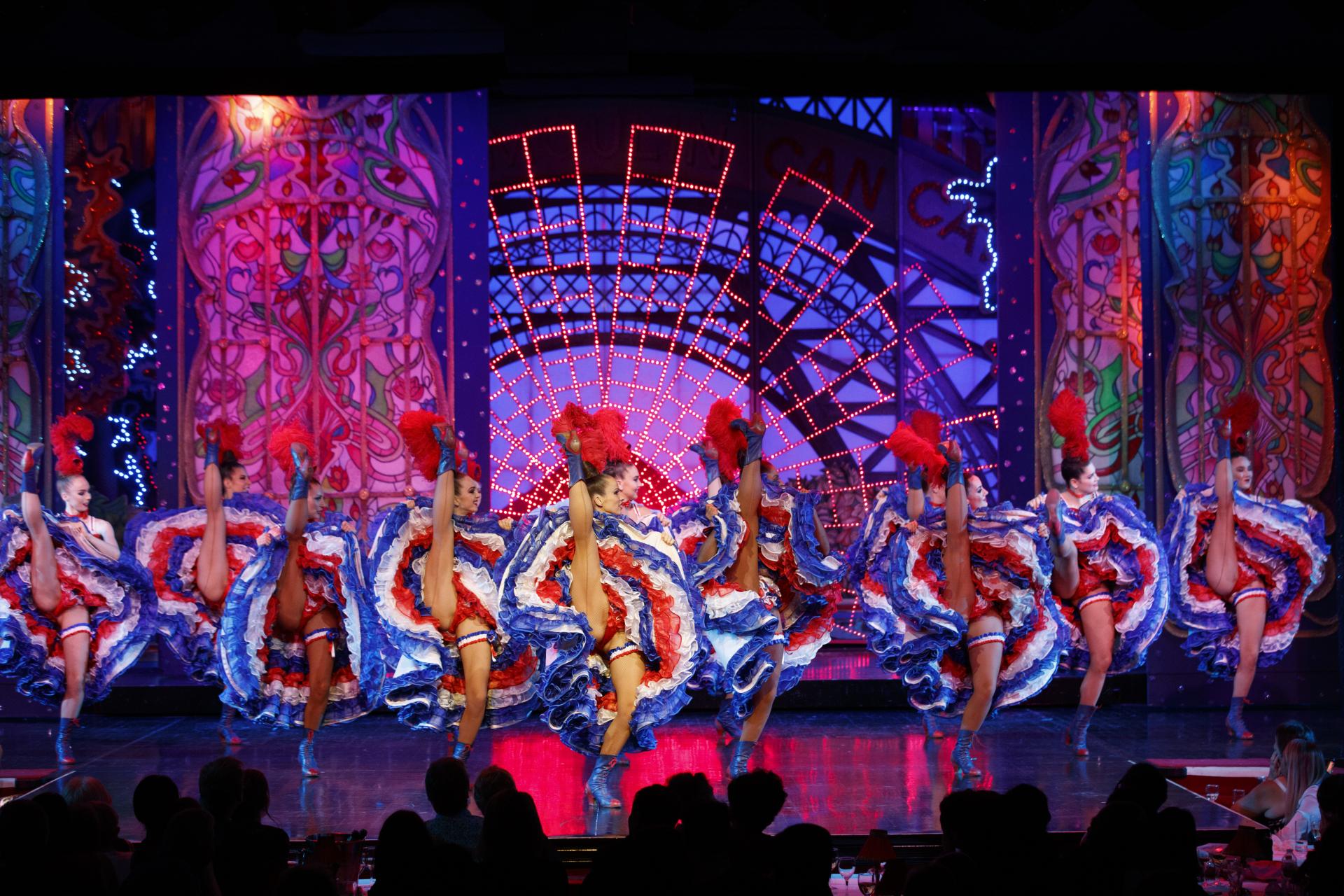
Enjoy the world's most famous Parisian cabaret and its more than 100 artists on stage. Marvel at the glamour of the costumes, the colourful sets and let the music transport you to the bohemian atmosphere of the city at the beginning of the 20th century.
Booking a ticket for the Moulin Rouge with dinner and transport will allow you to experience the French cancan first-hand, while sampling the local cuisine accompanied by fine champagne.
The Moulin Rouge is usually open every day of the year, with some exceptions, and the show starts at 9 p.m. and 11 p.m. The show lasts about two hours and the ticket includes half a bottle of champagne.
Why I like this option: this is the essential option for experiencing the magic of this Parisian cabaret live.
Recommended if... you want to attend a show at the Moulin Rouge at the best price.
Types of tickets and prices for the Moulin Rouge
Something to keep in mind when booking tickets for the Moulin Rouge is that the price of tickets will depend on the extras you add to the show, i.e. dinner and drinks. There are about four menus to choose from (one of which is vegan) featuring French dishes at different prices, and you can choose whether or not to include alcoholic beverages.
However, you must request this in advance, as the cabaret does not operate like a typical restaurant where you can order from the menu. The Moulin Rouge show is attended by both tourists and locals, and, especially in high season, it is advisable to buy tickets in advance to avoid being left without a seat on the chosen day and time. Below are the different options available:
- Tickets for the Moulin Rouge with dinner, from €396: includes admission, the show, dinner and half a bottle of champagne.
- Cruise on the Seine and tickets to the Moulin Rouge with champagne, from €270: includes the cruise on the Seine, admission to the Moulin Rouge and a glass or half bottle of champagne.
- Cruise with dinner on the Seine, access to the Eiffel Tower and tickets to the Moulin Rouge, from €369: includes a cruise on the Seine with dinner, access to the second floor of the Eiffel Tower, admission to the Moulin Rouge show and a glass or half bottle of champagne.
Would you like to dine at the Moulin Rouge?

If you choose to dine at the Moulin Rouge, you can choose from several types of menus (including vegetarian and vegan dishes) that change according to the season and always include a starter, main course and dessert. If you choose the option with dinner included, you must arrive at the Moulin Rouge at around 6:30 p.m., as dinner is served at 7 p.m. The show lasts two hours, after which you will have a few minutes to enjoy the included champagne at your leisure.
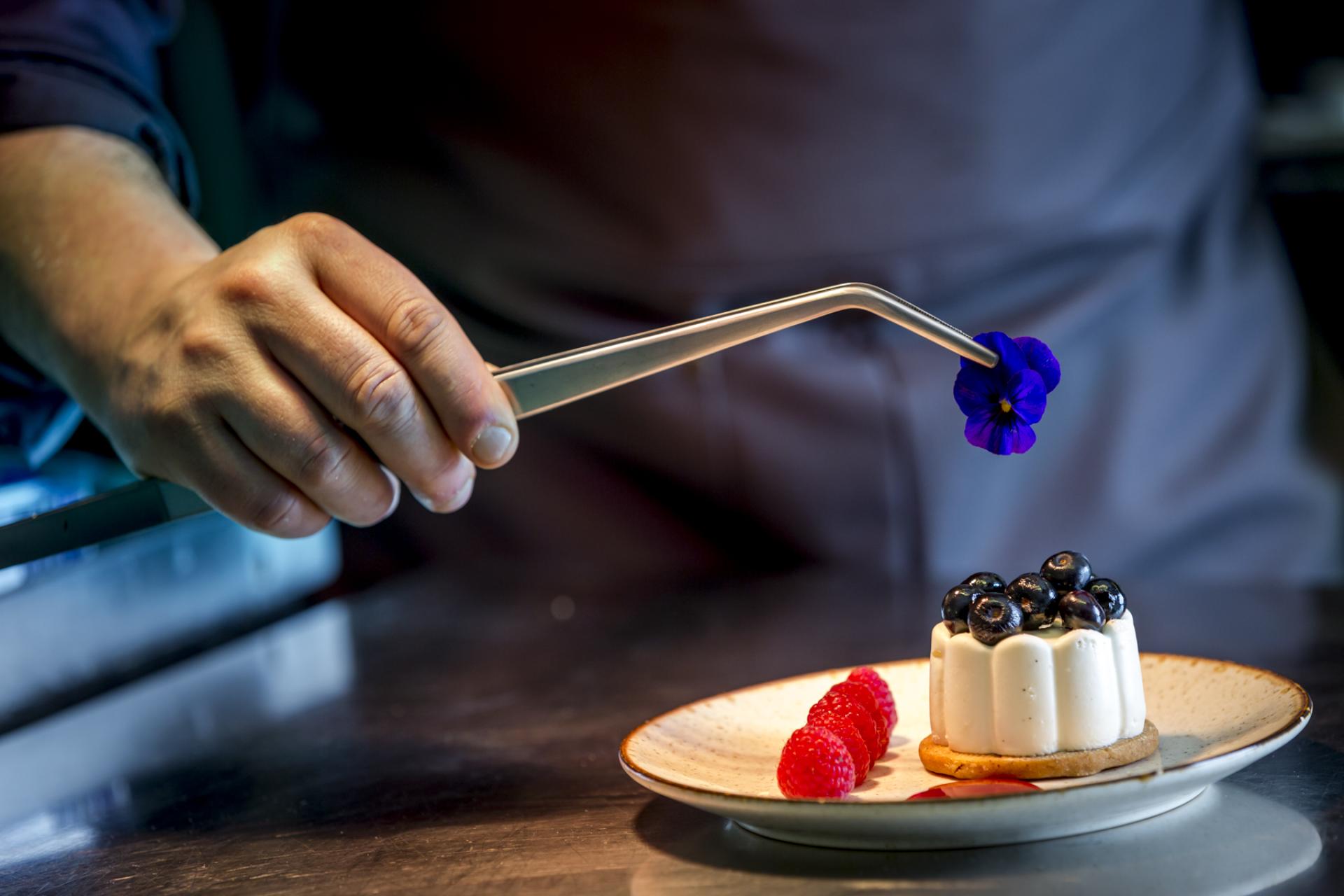
The price of the ticket increases significantly with the choice of dinner, and although I admit that the menu is very carefully prepared in terms of both flavour and presentation, the real added value is not the dinner itself but the Moulin Rouge show.
If you want to experience dining at this cabaret, go ahead, but don't do it looking for culinary excellence, because what you will find is something that is acceptable and enjoyable, but nothing more. Also, keep in mind that the tables at the Moulin Rouge are shared, so if you want to enjoy an intimate dinner, this is not the best option.
What time is the Moulin Rouge show?

If you are going to book tickets for the Moulin Rouge with dinner, you should know that the show times, with a few exceptions, are always the same: there is one show at 9 p.m. and another at 11 p.m. every day from Monday to Sunday. Keep in mind that you should arrive well in advance to see the show; about fifteen minutes before is recommended.
History and interesting facts about the Moulin Rouge
Founded by Joseph Oller and Charles Zidler, the Moulin Rouge opened its doors to the public in 1889 with the aim of breaking with the cultural norms of the time and offering a space where luxury and transgression coexisted.
In its early days, it was notable for its sensual dances and the prominence of the French cancan. It was a place where Parisian high society, bohemian artists and great figures of art such as Toulouse-Lautrec, who immortalised the Moulin Rouge in his paintings and posters, would gather.
Throughout history, it has evolved without losing its essence. During the 20th century, it survived the world wars. It reinvented itself, becoming a spectacle that combined music, dance and luxury. Its productions became very popular and dazzling, with spectacular sets and the presence of iconic artists such as Édith Piaf, Liza Minnelli and Frank Sinatra.
The Moulin Rouge today
Today, the Moulin Rouge is an emblem of Paris and a must-see for those who want to experience the glamour of the Belle Époque. Féerie is its most popular show and brings together more than 60 artists from around the world.
What to expect from the Moulin Rouge
Despite its more than 130 years of history, the Moulin Rouge continues to dazzle all its visitors. Its most popular show, Féerie, lasting almost 2 hours, was created by choreographers Doris Haug and Ruggero Angeletti. It blends tradition and modernity in a colourful and contemporary show with spectacular choreography and dazzling sets featuring feathers, sequins and rhinestones.
If you are wondering what the show is like today, you should know that the production features more than a thousand costumes designed and made in Parisian workshops. In addition, the team includes more than 60 international artists, including dancers, acrobats and singers.
The French cancan performance is one of the most eagerly awaited shows, characterised by acrobatics and vitality. But the Moulin Rouge is a sensory experience that also offers the chance to enjoy a gourmet dinner prepared by renowned chefs.
What is the Moulin Rouge show like?

The show is, without a doubt, dazzling. Feathers and more feathers, colourful costumes and lively music with light shows make up the most attractive staging of French music hall. Add to this almost a hundred dancers performing amazing choreography, and you will feel for a moment as if you are in the Belle Époque in all its splendour.
The shows held at the Moulin Rouge may change depending on the season, but they will always be based on the legendary cancan dance that made this cabaret famous. The rise of this dance coincided with a period of optimism and social satisfaction; at the dawn of the 20th century, there was confidence in technological progress, artistic avant-garde movements and economic growth.
In general terms, there was a widespread sense of joy and a desire to enjoy life, which was embodied in this dance that painters such as Toulouse-Lautrec portrayed in their paintings. This atmosphere continues to be recreated every night to this day, and to experience it, it is best to buy your Moulin Rouge ticket with dinner and champagne in advance. Oh, and transport is included!
How to get to the Moulin Rouge
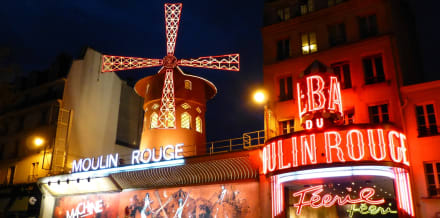
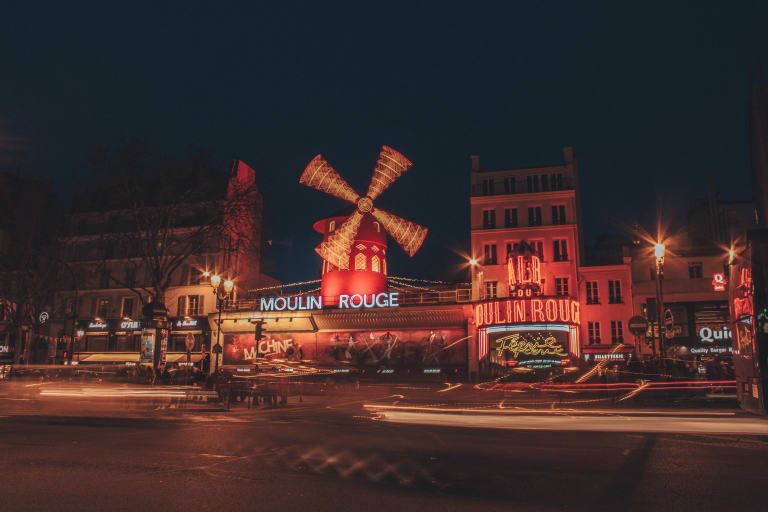
The Moulin Rouge is located at 82 Boulevard de Clichy, in the Pigalle district, at the foot of Montmartre hill. This area is known for its vibrant nightlife and is even referred to as the "red light district" of Paris. Here are the different ways to get there:
- Metro: the most convenient and direct way to get there is to take line 2 and get off at Blanche station, located opposite the Moulin Rouge.
- Bus: lines 30, 54, 68 and 74 have stops near the Moulin Rouge.
- Taxis and private hire vehicles: a convenient option if you are travelling in a group.
Be sure to read our post on How to get to the Moulin Rouge for more information.
What is the dress code for entering the Moulin Rouge?
To attend the show, the dress code is formal, but you don't have to wear a jacket and tie. Inside, you'll find everything from a few morning coats in the VIP boxes to jeans. The best option is classic "smart casual". However, please note that:
- Sportswear and shorts are not permitted.
- Jeans are permitted if they are in good condition and worn with smart clothing.
How to get back to your hotel from the Moulin Rouge?
If, when booking tickets for the Moulin Rouge with dinner, you choose the second show, which starts at 11 p.m., bear in mind that you may miss the last underground train on the way out, as it closes at 1:15 a.m. In this case, you can take a taxi from the taxi rank opposite or a private hire vehicle.
If you want to save money, I recommend choosing a Friday or Saturday to see the second show, as the Paris underground closes an hour later on these days and you will have no problem catching it.
Can you take children to the Moulin Rouge?

Children aged six and over (always accompanied by an adult) are admitted to the show. This is something that, given the history of the cabaret and the current atmosphere in the area, tends to surprise people, but the truth is that the show is suitable for all ages. When I went to see the show, I didn't see any children and I don't think it's common to see them, both because of the time of the show and the price.
Can you take photos and videos at the Moulin Rouge?

If you're thinking of taking your camera (or even your mobile phone) with a fully charged battery to this show, you can forget about it. No photos or videos are allowed during the show or during dinner. The waiters may reprimand you, and the organisers themselves will offer you the official photo during dinner for approximately €20.
What to do around the Moulin Rouge?

The Pigalle area is one of the most picturesque in Paris. There you will find huge erotic shops (many with shows included) that attract attention not only for their content but also for their bright neon lights. Pigalle at night is an area full of life and it is difficult to find comparisons to describe it.
My advice is to take a stroll through this area before or after your visit to the Moulin Rouge (you can get off at the 'Pigalle' metro stop and walk to 'Blanche') and soak up the essence of this daring and energetic side of Paris. You can also take advantage of a tourist bus tour andexplore the Parisian nightlife in different areas, each with its own magic.
Ana's Traveller Tip
To get the most out of the area, choose the 9 p.m. show. Visit the upper part of Montmartre with the Sacré Coeur and the painters' square beforehand, and after the show, walk around Pigalle and have a drink in one of its clubs.
Take a guided tour of Montmartre, the Moulin Rouge neighbourhood

Whether it's on the same day you go to see the Moulin Rouge show or on a different day, you can't miss exploring the area with a visit to the Montmartre neighbourhood during your trip to Paris. The history of the Belle Époque is not complete without a visit to the cabaret; Montmartre hides many more stories that will seduce you with the same intensity as that of the red mill.
Of all the tours I have done in Paris, which you can read more about in this article on 10 Best Tours in Paris, the one I have repeated the most is the Montmartre tour , precisely because I never tire of hearing the stories of all the artists who found the true meaning of the famous slogan 'Liberté, Égalité, Fraternité' in that neighbourhood .
Tour itinerary
Who will they tell you about on this tour? Toulouse-Lautrec, Monet, Picasso, Van Gogh, Edith Piaf, the film Amélie, and the gay icon Dalida. Many stories, all intertwined, as you stroll through the narrow streets of Montmartre in the evening light (for me, one of the most beautiful times to take this tour) and then sit and contemplate the city from the steps of the Sacré Coeur.
The Montmartre tour with the Paris Pass
This is a city pass that gives you free access to various tourist attractions and museums in Paris. Admission to the Moulin Rouge show is not included with this card, but a two-hour guided tour of the neighbourhood is.
Whether or not this is your first time visiting Paris, if you are going to visit several of the main attractions, the Paris Pass is worth it: it has more than 60 places included, includes Paris public transport and there are different prices depending on the number of days you want to use it. You can read more about Paris Pass and Other Tourist Cards for Paris in this article.
Other bohemian corners of Paris
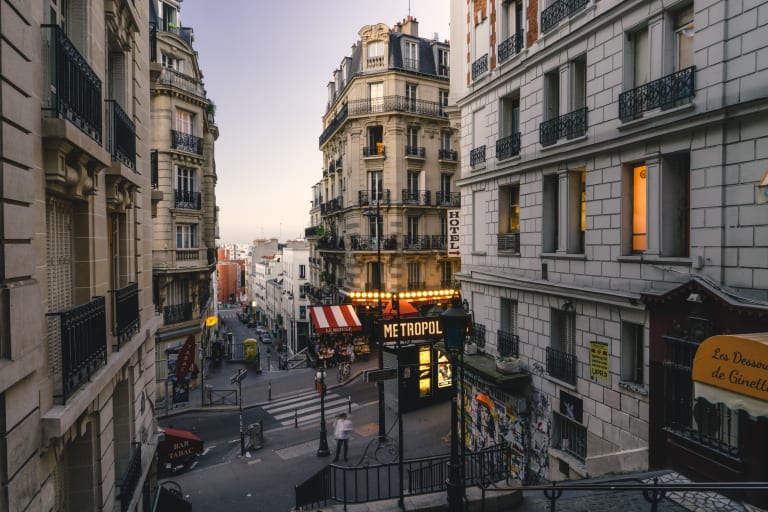
The Moulin Rouge is an icon of bohemian life in Paris in the late 19th century, but it is not the only one. The city of Paris, specifically the Montmartre neighbourhood, is full of places that speak of this era. If you want to take a stroll through the most bohemian corners of the City of Light, in addition to, of course, exploring the narrow streets of Montmartre, don't miss places such as:
- Montmartre Museum: A neighbourhood like this had to have somewhere to tell its story. In this museum located on Rue Cortot, you will see images of the neighbourhood from different periods, as well as objects that tell you about the cabarets and the cursed poets who stayed in this enclave.
- Literary cafés: You've probably heard of the Chat Noir café because of the famous black cat posters you'll see in all the souvenir shops in Paris, but this isn't the only one. Both in Montmartre and in the Montparnasse neighbourhood, south of Paris, you can find places frequented by intellectuals such as Paul Verlaine, Baudelaire, Apollinaire and Hemingway.
- Moulin de la Galette: This is one of the 30 windmills that existed in this neighbourhood at the beginning of the last century. Although it is easy to find during the day when walking along Rue Lepic, at night it can be more difficult to spot due to the branches that hide it. Today it is an elegant restaurant, but its merit lies in the fact that it was one of the most frequently depicted cabarets in the work of various bohemian artists, including Renoir.